llamacoffee@lemmy.world to [Dormant] moved to !space@mander.xyz@lemmy.worldEnglish · 1 year agoHere’s how a satellite ended up as a ghostly apparition on Google Eartharstechnica.comexternal-linkmessage-square3linkfedilinkarrow-up132arrow-down11
arrow-up131arrow-down1external-linkHere’s how a satellite ended up as a ghostly apparition on Google Eartharstechnica.comllamacoffee@lemmy.world to [Dormant] moved to !space@mander.xyz@lemmy.worldEnglish · 1 year agomessage-square3linkfedilink
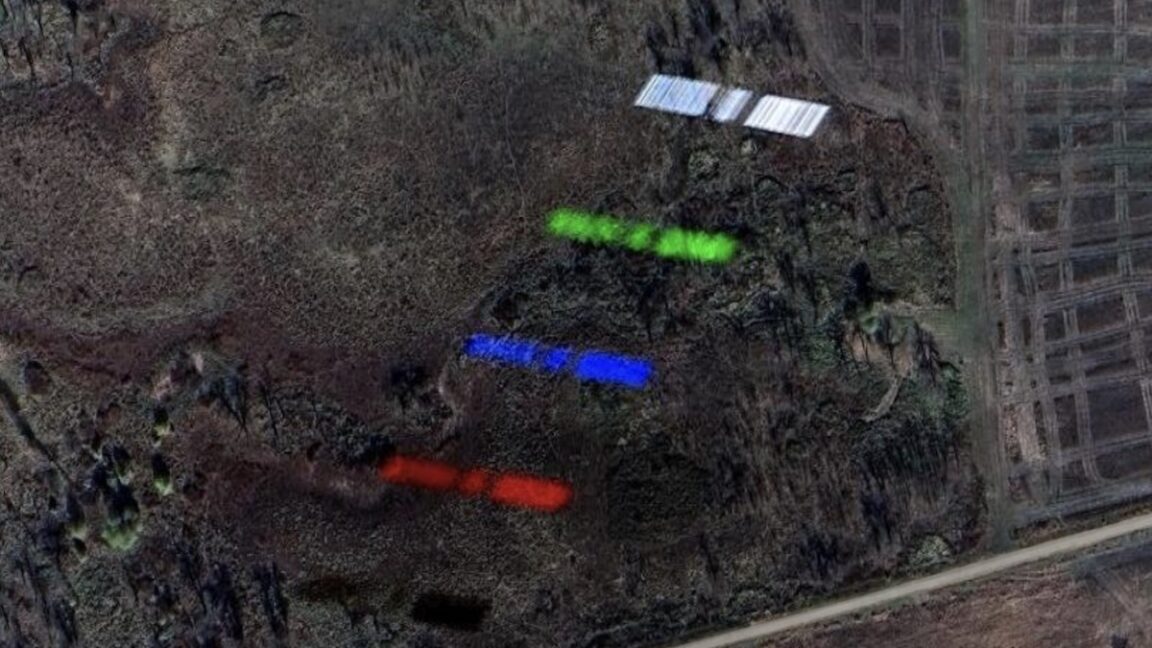
minus-squareMysteriousSophon21@lemmy.worldlinkfedilinkarrow-up2·9 months agoOrbital mechanics is wild - satellites move so fast (like 7-8 km/s) that Google Earth’s cameras literally catch them as streaks or ghostly blurs because the exposure time is longer than the satelite’s transit through the frame!

Orbital mechanics is wild - satellites move so fast (like 7-8 km/s) that Google Earth’s cameras literally catch them as streaks or ghostly blurs because the exposure time is longer than the satelite’s transit through the frame!